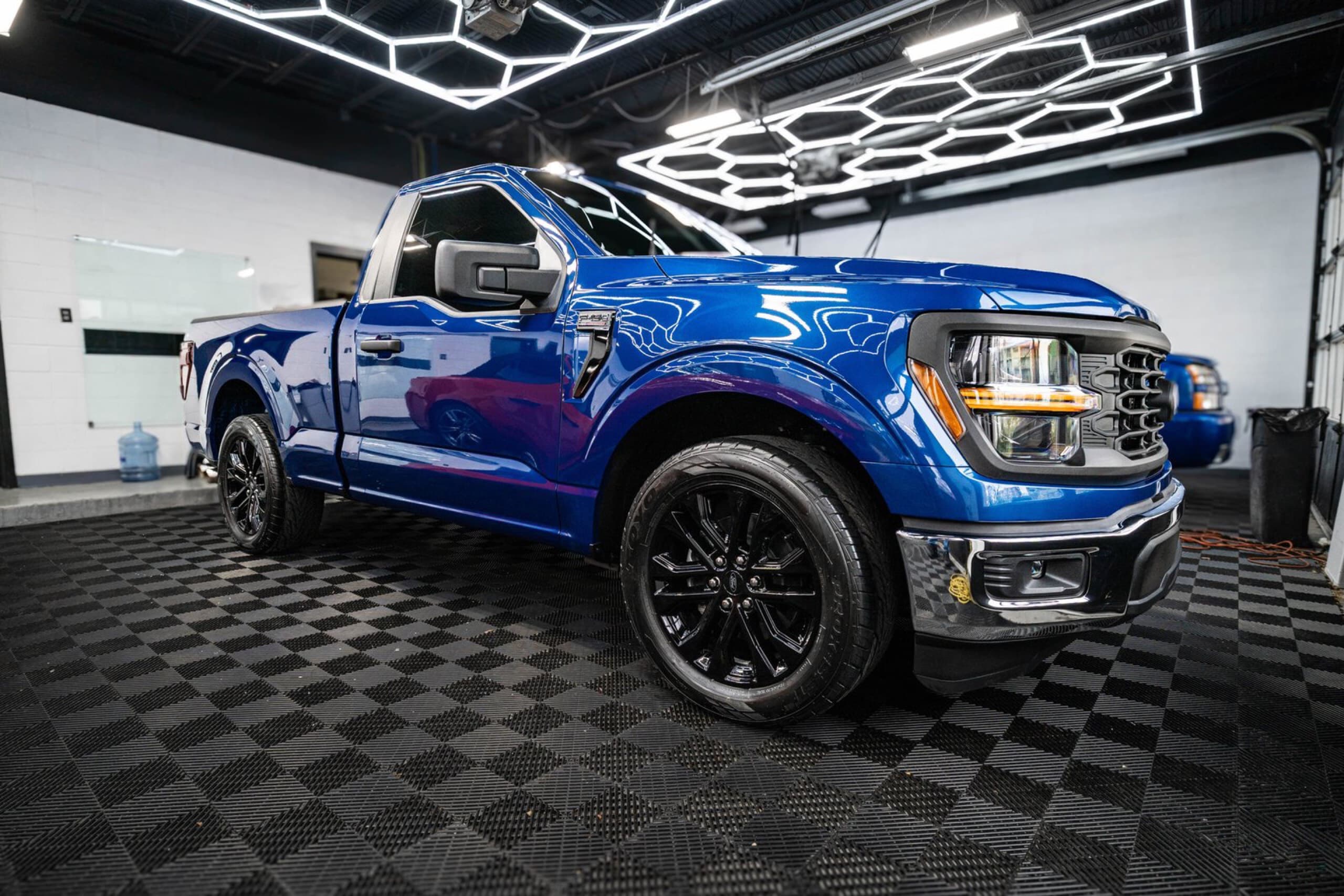
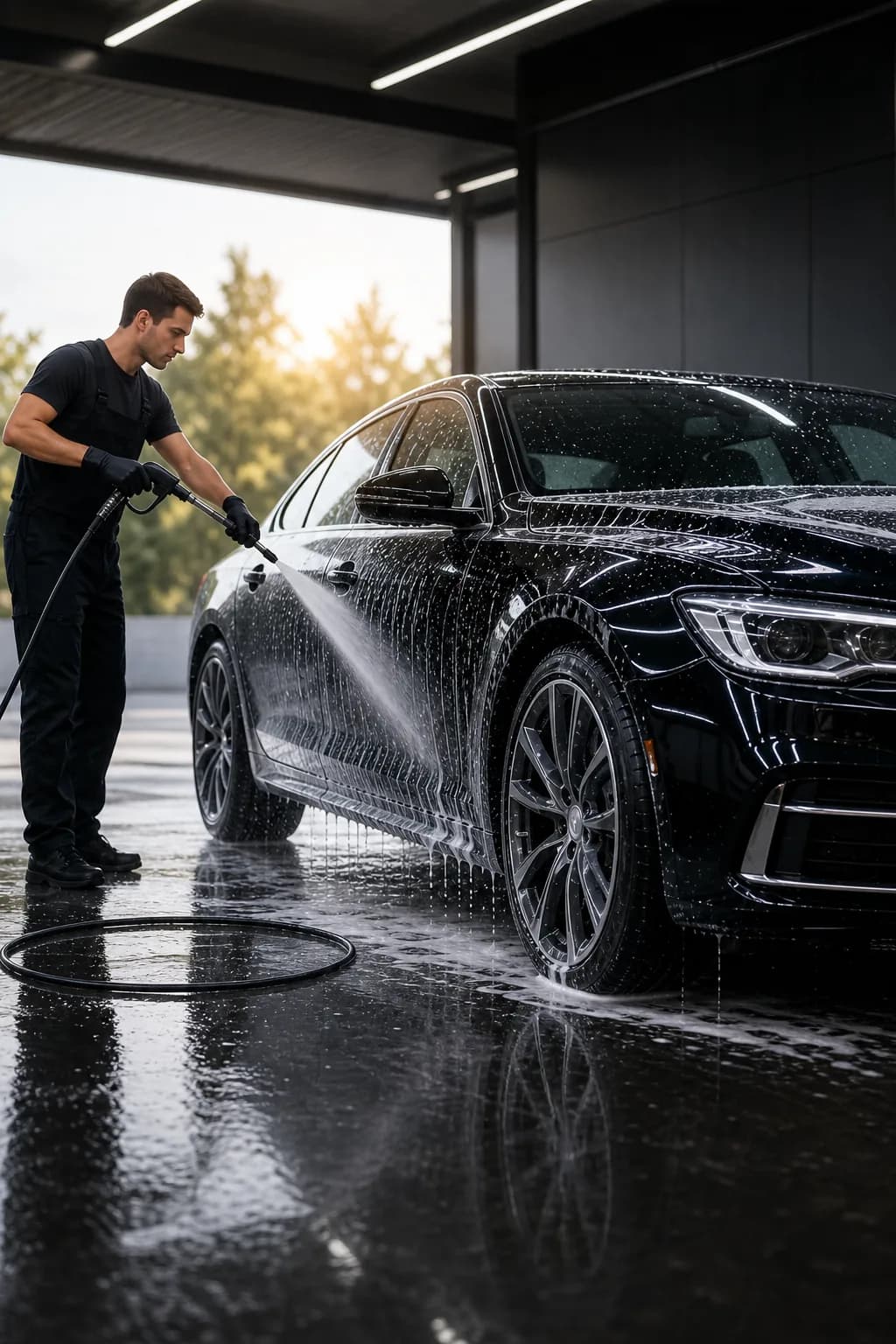
A ceramic-coated car can handle a wash, but the wrong wash can still dull its finish. Touchless systems, careful washing, and clean wash equipment each have a place.
Compare Jeff's Car Wash in Lexington with wash methods for ceramic-coated vehicles. Before choosing a service, check the coating manufacturer's care instructions and the installer's advice.
Table of Contents
- Jeff's Car Wash, Lexington full-service option
- No-contact wash systems, lowest brush-contact risk
- Contact-Based Wash Options, convenient with controlled contact
- Manual wash services, maximum process control
- Self-serve wash facilities, DIY control on a budget
- Professional ceramic-coating services, coating and aftercare expertise
- DIY home wash setups, best for hands-on owners
- Low-Water Maintenance Washing, low-water maintenance alternative
- On-Site Detail Services, convenient spot-free care
- Express tunnel wash programs, fast routine cleaning
- Car Wash Comparison: Touchless vs. Soft-Touch vs. Hand Wash
- What to Look For in a Ceramic-Coating Car Wash
- Frequently Asked Questions
- Conclusion
1. Jeff's Car Wash, Lexington full-service option
Jeff's Car Wash full-service and exterior wash packages fit Lexington drivers who want a clean car without giving up their whole afternoon.
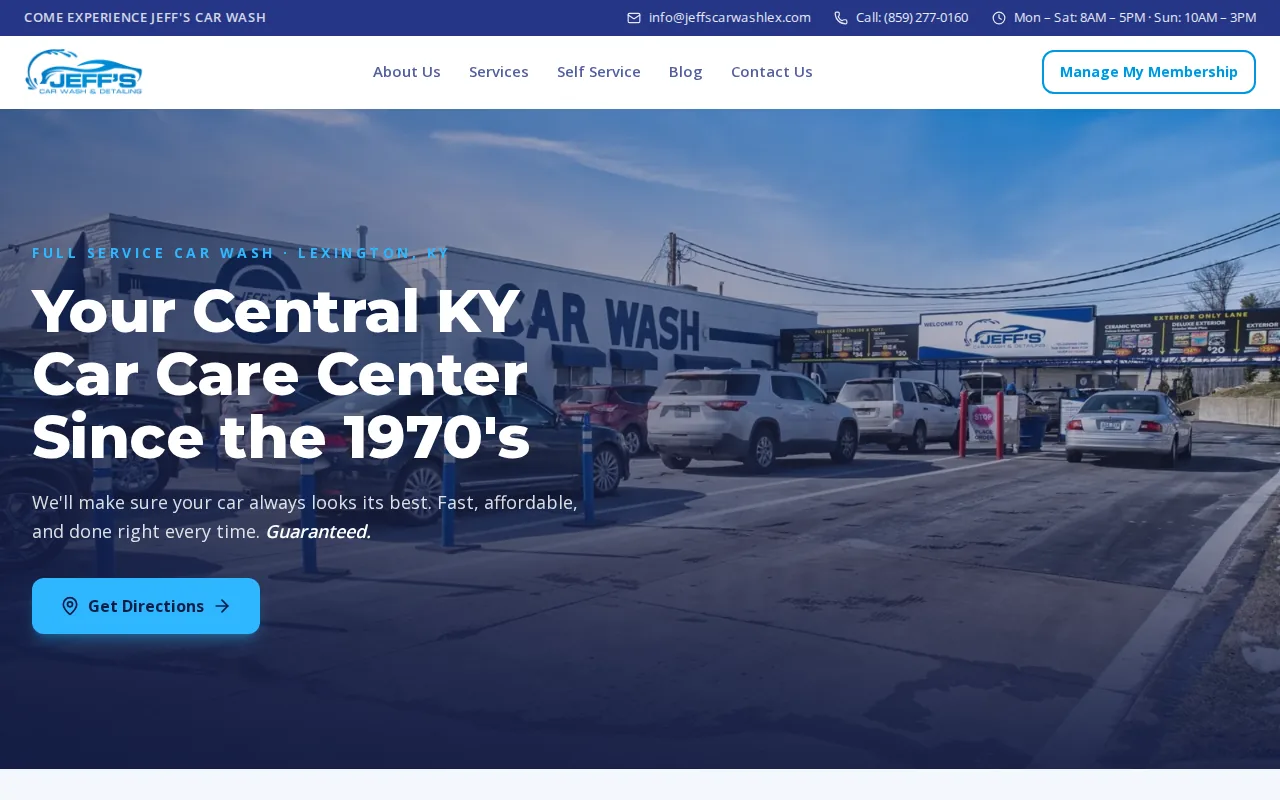
We’ve been serving Lexington as a family-owned car wash since the 1970s. Our team can handle a quick exterior shine or a fuller inside-and-out clean, which makes Jeff's Car Wash a useful choice for daily drivers, family vehicles, and cars that need more than a rinse.
The main advantage is simple: you can bring one vehicle with road film and another with crumbs, pet hair, or muddy mats, then choose the level of care each one needs. Our wash options include exterior cleaning, underbody care, vacuums, and full-service work. That range helps when the paint is coated but the inside needs attention too.
For a ceramic-coated vehicle, tell the team about the coating before service. Ask which wash path and drying method fit the finish. A coating makes dirt easier to remove, but it doesn’t make paint scratch-proof. It still needs gentle soap, good rinsing, and a careful dry.
Jeff's Car Wash is best for Lexington owners who value speed, local service, and a clean cabin along with a spotless shine. If the vehicle has been neglected for a long time, a deeper detail may be a better first visit than a routine wash.
2. No-contact wash systems, lowest brush-contact risk
A touchless automatic wash avoids brushes and cloth strips touching the paint. Its suitability still depends on the coating, cleaning chemicals and aftercare instructions.
Check the instructions for the actual product being used. Gtechniq's GWash instructions, for example, describe a bucket wash with a mitt, work from the top down and require thorough rinsing. A ceramic menu label alone does not establish that a wash is suitable for your vehicle.
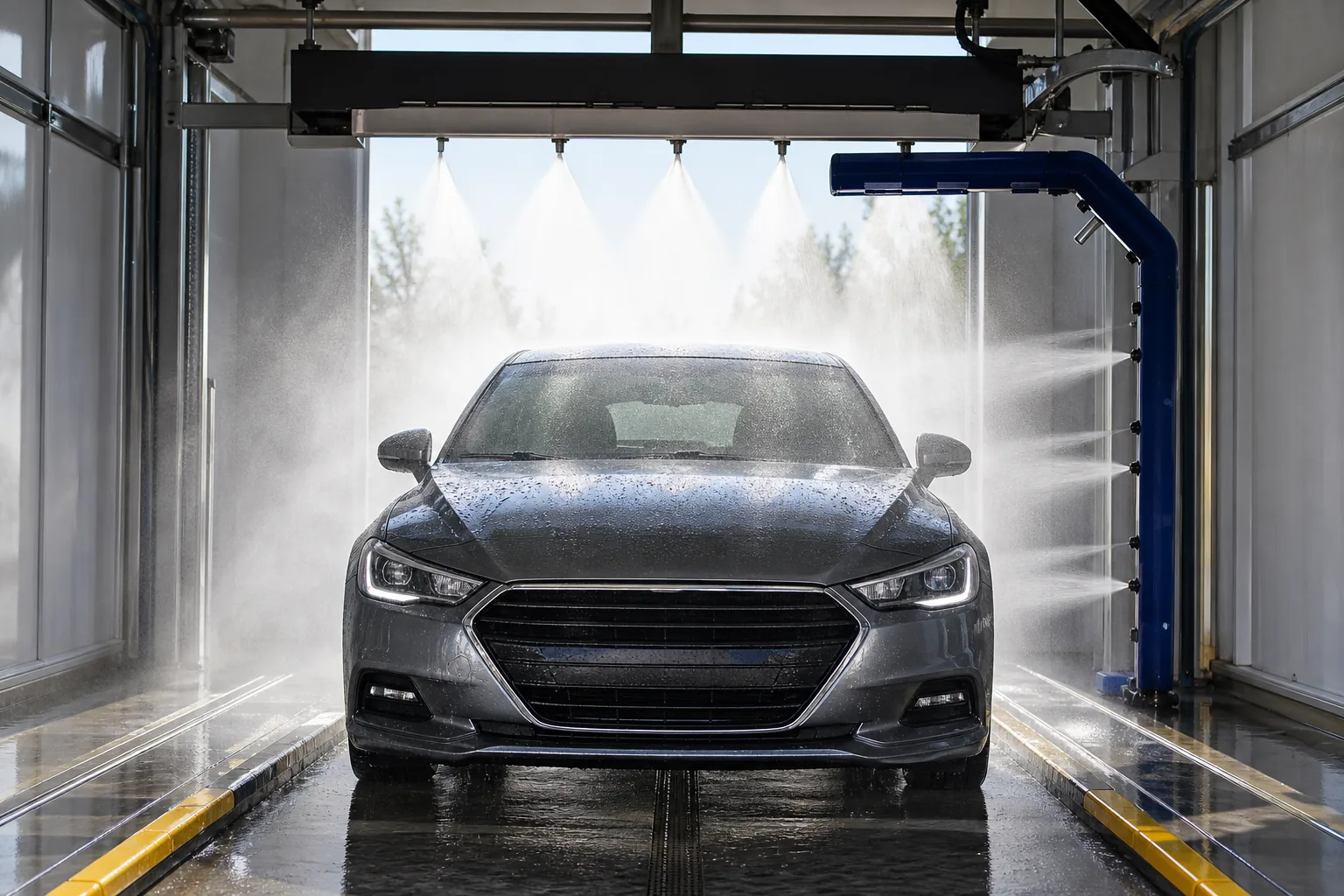
These systems use water pressure and cleaning chemicals instead of cloth strips or brushes. That removes the risk of grit trapped in wash media being dragged across the clear coat. It also makes touchless washing useful after a dusty commute, light road film, or a week of normal driving.
The tradeoff is cleaning strength. Thick mud, baked-on bugs, tar, and heavy brake dust may need more dwell time or hand work. Some touchless systems also depend on strong detergents to make up for the lack of scrubbing. Check the menu or ask staff whether the wash is safe for ceramic coatings.
At home, the same idea starts with a cool car in shade. Rinse first. Apply coating-safe foam if you have it. Let it work briefly, then rinse before any contact wash. A pH-neutral soap and clean microfiber mitt reduce the need to scrub.
Rough cloths, household cleaners, and poor wash methods can lead to scratches or damage to the clear coat. The lesson is clear: touchless reduces contact risk, but it doesn’t excuse harsh chemicals or a poor rinse.
Pick touchless when the car is lightly or moderately dirty. If it still looks grimy after the rinse, stop there rather than rubbing hard with a towel. A controlled hand wash is safer than forcing one wash type to do every job.
3. Contact-Based Wash Options, convenient with controlled contact
A contact-based wash suits drivers who want more cleaning power than a spray-only tunnel can give.
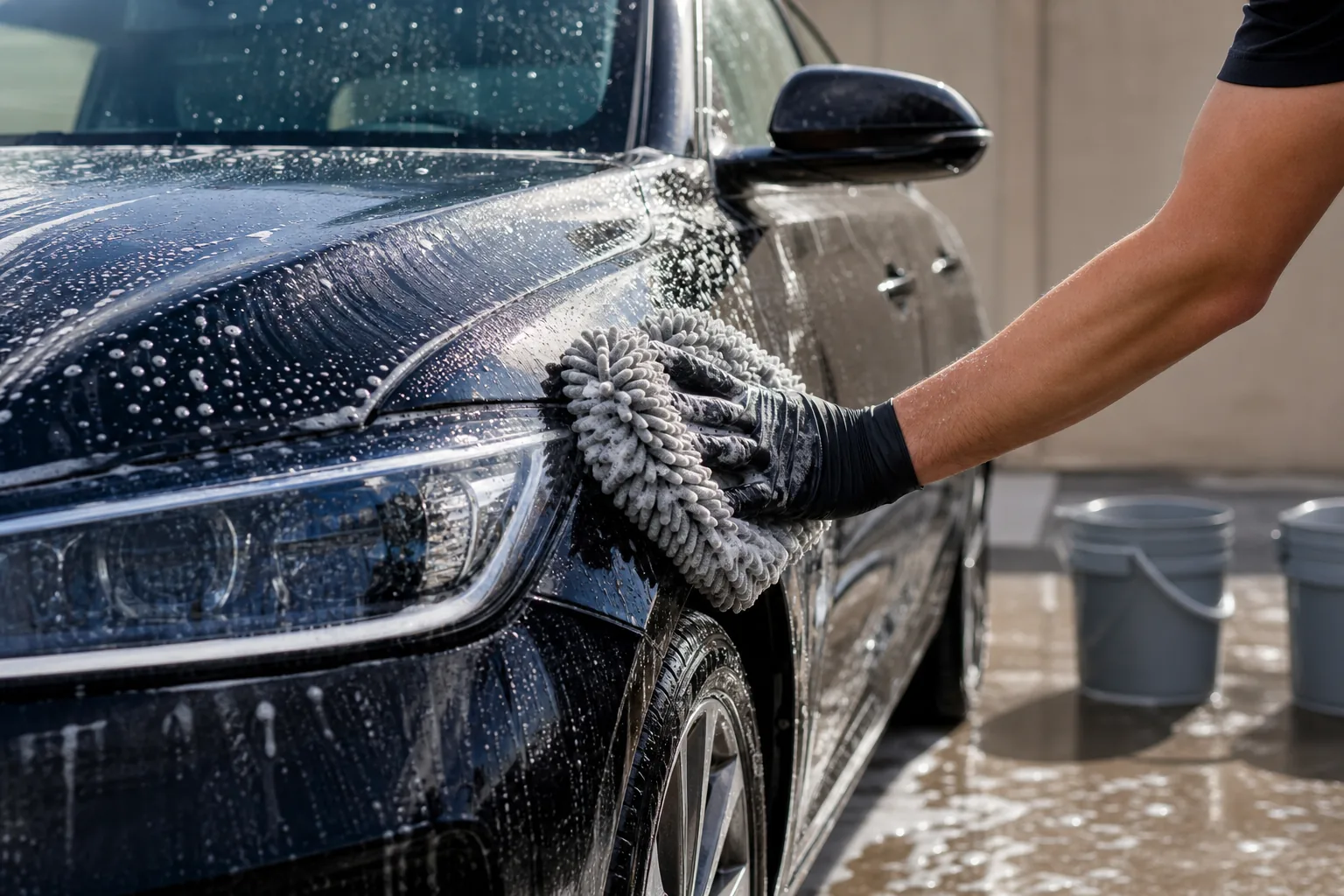
Modern contact-based systems use foam or cloth materials that contact the paint. The key issue is maintenance. Clean media, a strong pre-rinse, fresh soap, and good water flow lower the chance that grit will move across the surface.
This method can remove road film that touchless water leaves behind. That helps after wet weather, highway trips, or a vehicle that has picked up a gray film along the lower doors. But physical contact always carries more risk than no contact. A neglected tunnel can trap sand or fine debris in its wash material.
Look for a facility that explains its wash process. The pre-soak should come before the cleaning material touches the vehicle. The system should rinse well between cars. Drying should rely on clean air or clean drying media, not a dirty shared towel.
Consider a contact-based wash only if your coating manufacturer or installer permits it and the facility can explain how it cleans its equipment. For a finish that needs close control over washing and drying, ask the installer about a suitable hand-wash service.
One more detail: a “ceramic” menu add‑on may be a spray sealant, not a professional coating. It can add gloss and water repellency for a short time. It does not replace a true coating or fix poor wash technique.
4. Manual wash services, maximum process control
A manual wash gives the most control over where tools, soap, and pressure touch the car.
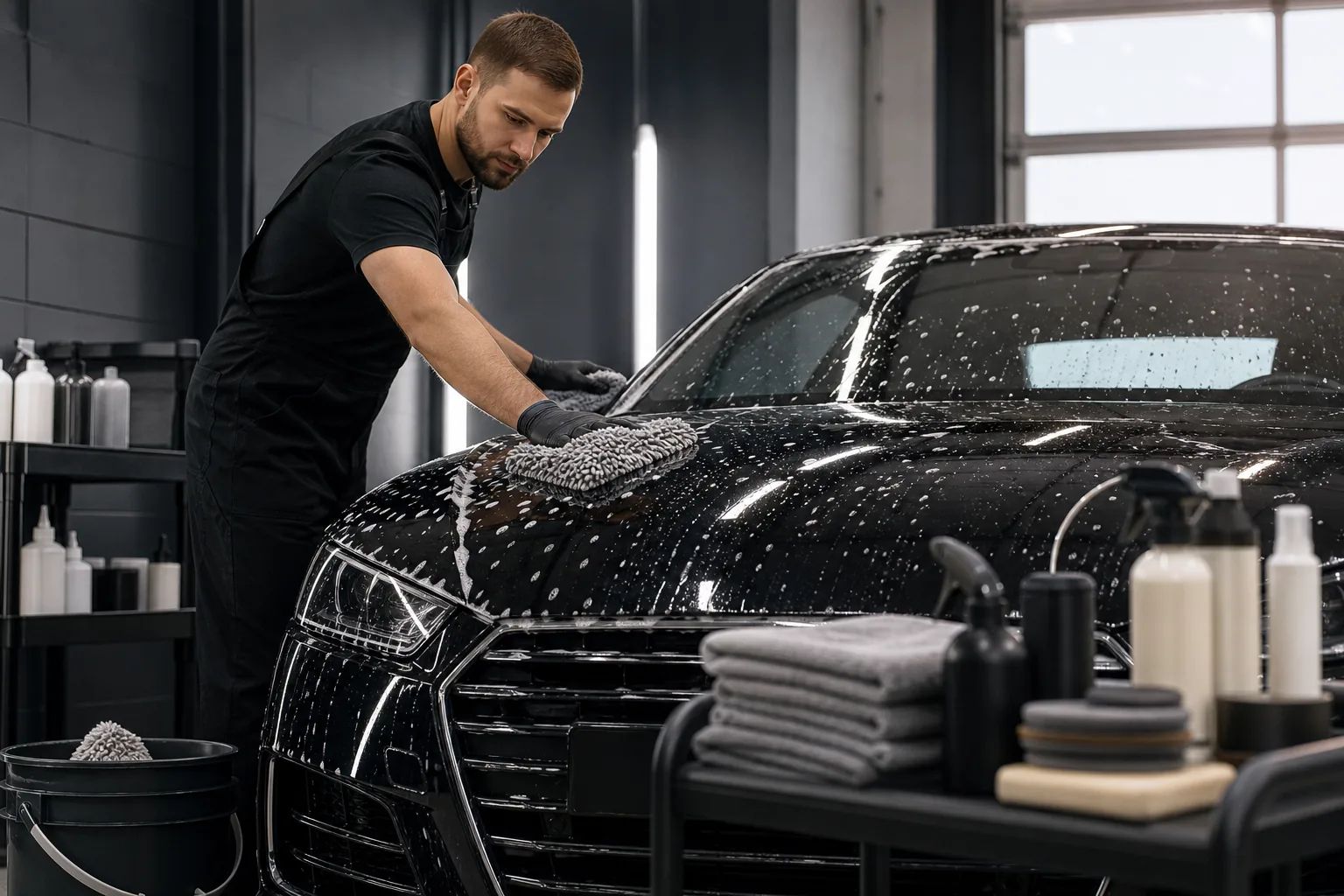
This is the best fit for a high-value vehicle, dark paint, fresh paint correction, or a coating that needs careful upkeep. A good service provider can rinse loose dirt first, clean the wheels with separate tools, wash from top to bottom, and use fresh towels for paint.
The two-bucket method remains a sound choice. One bucket holds wash solution. The other holds rinse water. The mitt goes into the rinse bucket before it returns to the soap, which helps keep grit out of the clean solution.
Wheels and tires need their own tools. Brake dust is abrasive, so using the same mitt on wheels and paint is a bad shortcut. Door jambs, trunk jambs, and the area under the hood also need a separate towel because they collect grime that can spread during drying.
Drying matters as much as washing. The service provider may use filtered water, forced air, or a soft drying towel. The goal is to keep mineral‑rich droplets from drying on the paint. Ask whether the service provider uses coating‑safe soap and whether a silica spray or maintenance sealant is part of the service.
The caveat is cost and scheduling. Manual washing takes more time than an automatic tunnel. Still, it is often the right call when preserving paint quality matters more than getting through the wash in minutes.
5. Self-serve wash facilities, DIY control on a budget
A self-serve facility works for owners who want control over the rinse, soap, and pressure without buying a full home wash setup.
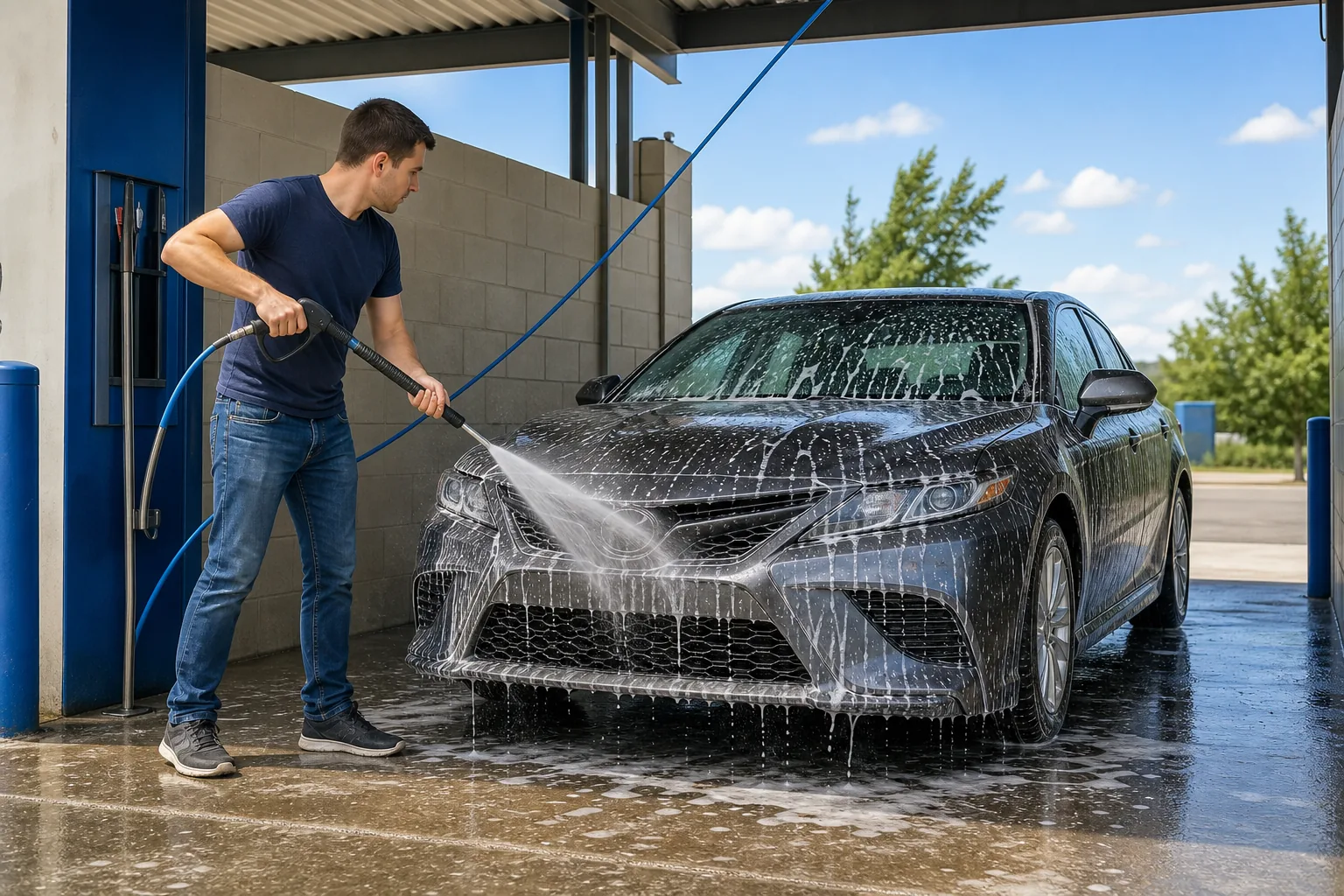
Start with the vehicle’s curing status. A newly applied coating may need a waiting period before water, soap, or pressure washing. Follow the installer’s written instructions instead of guessing. Once the coating has cured, pressure washing can remove loose grit before a mitt touches the paint.
Keep the wand moving. Hold it back from emblems, trim, mirrors, and seals. Never use the bay’s brush on coated paint unless you know it is clean and safe. Shared brushes can carry grit from wheels and dirty lower panels.
If the bay has a spot-free or filtered rinse, use it for the final pass. Hard water can leave mineral marks as droplets dry. A filtered rinse does not replace drying, but it gives you more time before spots form.
Bring your own clean mitt and drying towel when the rules allow it. Wash wheels last or use separate tools. Finish with air if available, then gently dry the remaining water from jambs and glass.
This option is cheap and flexible, but the result depends on your technique. It’s a poor fit if you’re in a hurry or if the car has heavy tar, bugs, or embedded brake dust.
Key Takeaway: The safest wash is the one that removes dirt before you apply friction, then dries the car before mineral spots can set.
6. Professional ceramic-coating services, coating and aftercare expertise
A professional ceramic-coating service is the right option when you need the coating applied, inspected, or refreshed by someone who works with paint protection every day.
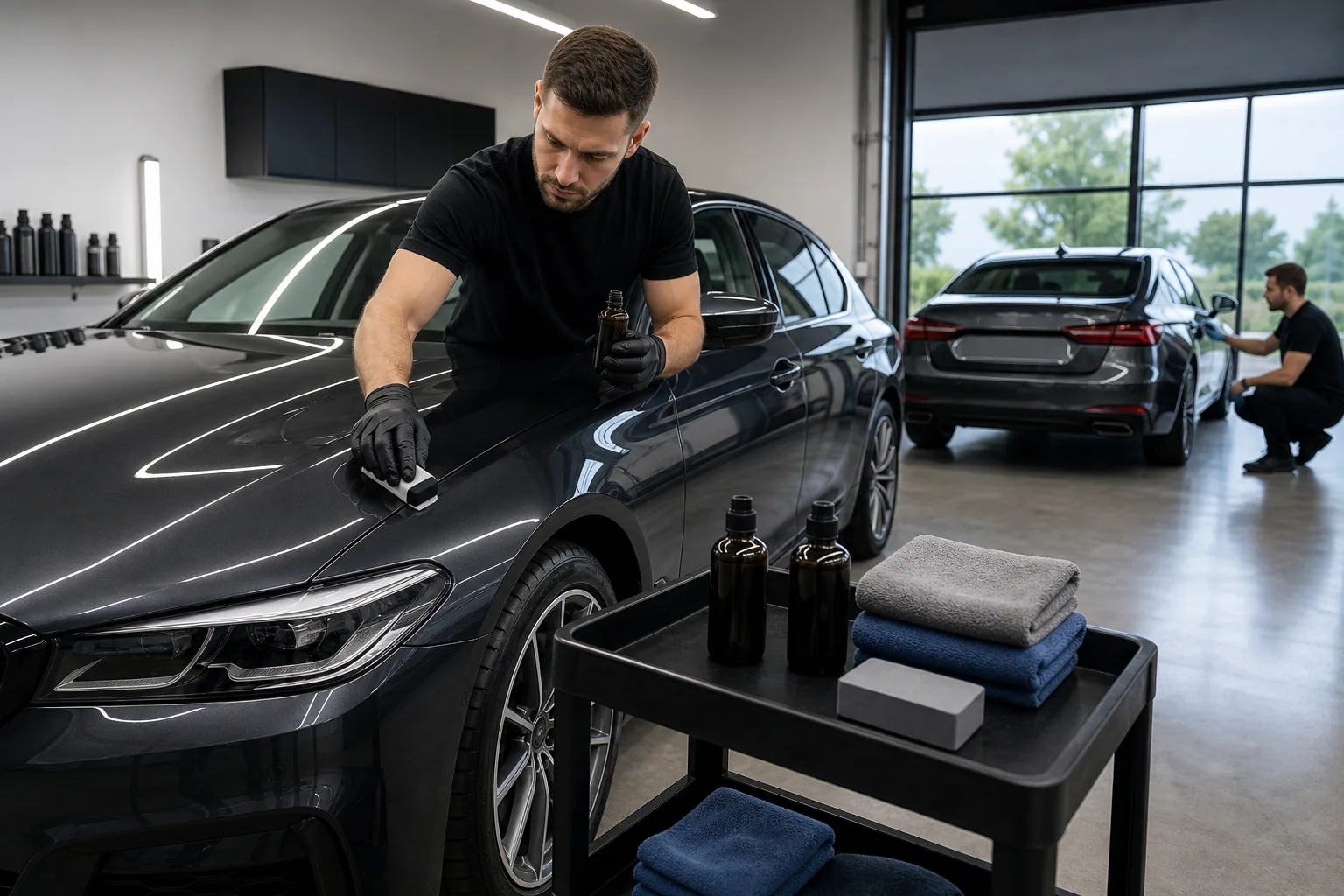
Professional application begins before the coating bottle comes out. The vehicle needs a careful wash, chemical decontamination, and often paint correction. Coating over swirls or bonded grit can lock those flaws into the finish.
The difference between DIY and professional work is more than the product. It includes surface prep, controlled application, cure conditions, and aftercare guidance. DIY products are generally made for more forgiving home use, while professional products may require trained application and controlled conditions.
A good service should also explain what the coating can’t do. Ceramic protection helps with UV exposure, road grime, bugs, and easier cleaning. It won’t stop rock chips, prevent every scratch, or make an automatic brush wash harmless.
Ask for a written maintenance plan. It should cover the first wash after curing, soap choice, drying, safe decontamination, and the point at which the coating needs inspection. A water-beading test can help show whether the surface is working, but weak beading can also come from contamination. It does not always mean the coating has failed.
This is the most costly route on the list, but it makes sense for a new vehicle, a prized vehicle, or an owner who wants the prep and application handled by a trained person.
7. DIY home wash setups, best for hands-on owners
A DIY home wash setup gives hands-on owners the most control over wash timing and tool choice.
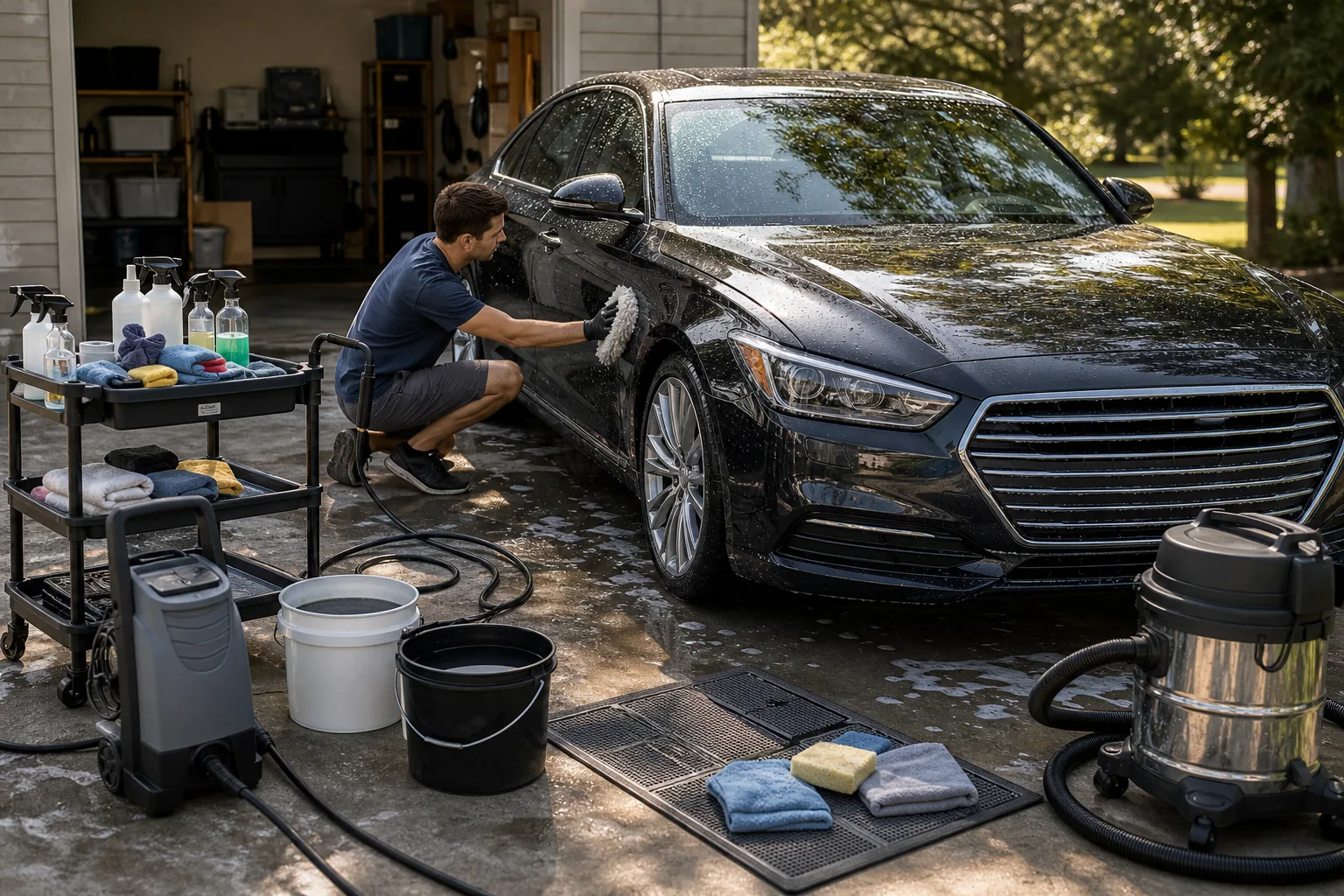
The basic kit is simple: a hose or pressure washer, a foam sprayer, two buckets with grit guards, a coating-safe soap, a soft mitt, clean microfiber towels, and a way to blow water from cracks. A leaf blower can help with mirrors, grilles, emblems, door handles, and jambs.
Wash in shade when the panels are cool. Rinse from the top down. Let foam loosen dirt before rinsing again. During the contact wash, use straight passes with light pressure. Flip the mitt often, and rinse it before returning to the soap.
Clean wheels with a separate mitt or brush. Use a coating-safe iron remover only when needed, not as an automatic part of every wash. Tar and sap also need targeted products. Let the chemical work, then rinse. More scrubbing is usually the wrong answer.
Dry with forced air first. Follow with a clean towel for the water that remains. Apply a quick detailer or silica maintenance spray only if it is made for your coating and you can remove the residue fully.
The catch is consistency. A home setup can protect the finish, but only if your towels stay clean and you don’t wash in direct sun.
8. Low-Water Maintenance Washing, low-water maintenance alternative
A low-water maintenance wash is useful when the vehicle has light dirt and you need a low-water cleaning method.
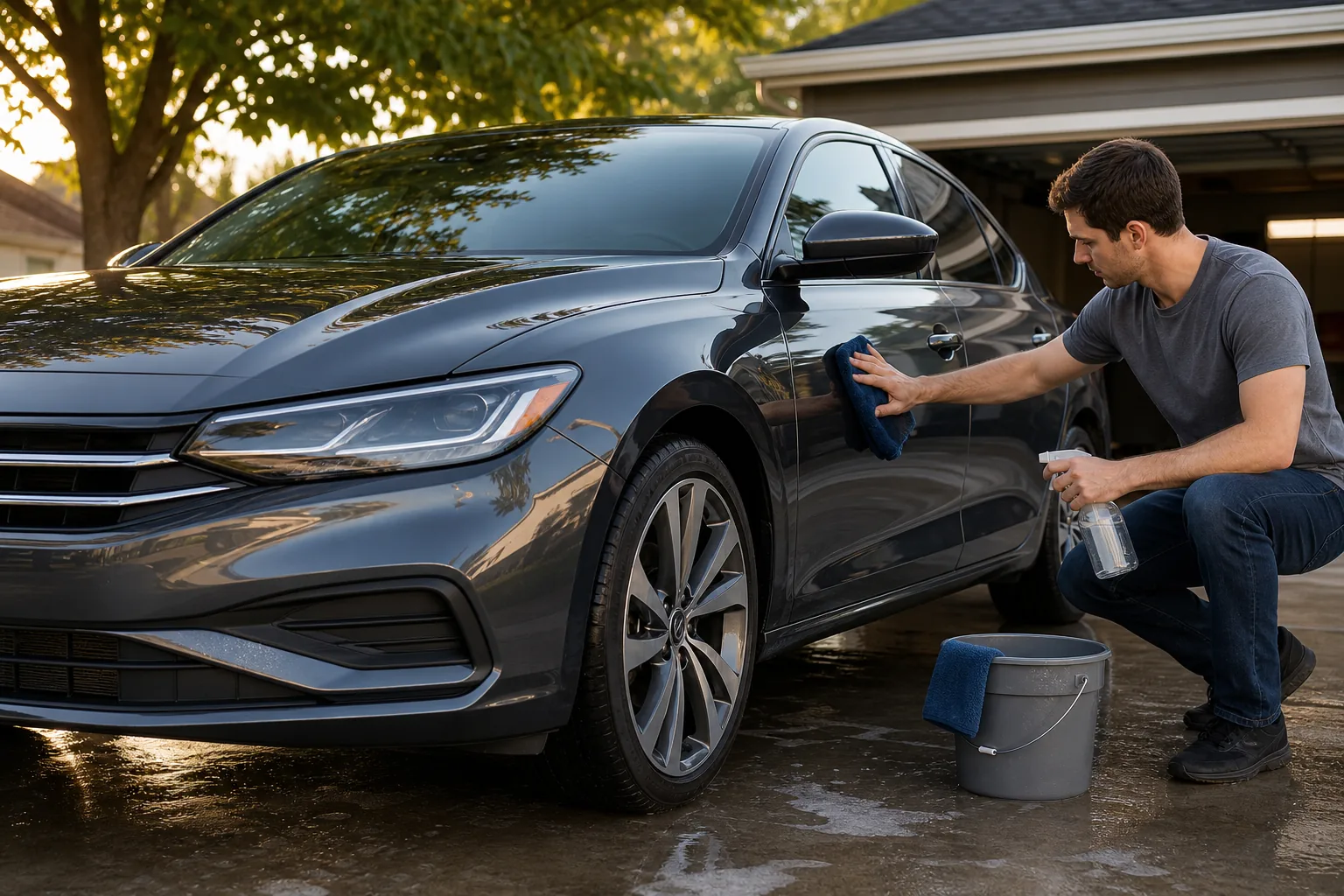
Rinseless products mix with a measured amount of water and provide lubrication while you wipe small sections. They are often used in garages, apartments, and mobile services where a full hose rinse is not usable.
This method demands judgment. It is best for dust, light road film, and mild dirt. It is not the right choice for thick mud, heavy sand, or a car with loose grit across every panel. Too much contamination raises the chance of dragging particles across the paint.
The safest process uses many clean towels. Fold the towel, use one side for a small area, then move to a fresh side. Keep separate towels for lower panels, wheels, and jambs. Never keep wiping after the towel has picked up visible dirt.
Rinseless washing can work well between larger washes. It also helps owners who want to clean one section before a trip or remove fresh bird droppings without washing the whole vehicle.
Use it as a controlled maintenance tool, not a magic replacement for rinsing. If the surface feels gritty, choose a full pre‑rinse instead.
9. On-Site Detail Services, convenient spot-free care
An on-site detailing service using filtered or deionized water is a strong choice for busy owners who want care at their location with less risk of mineral spotting.
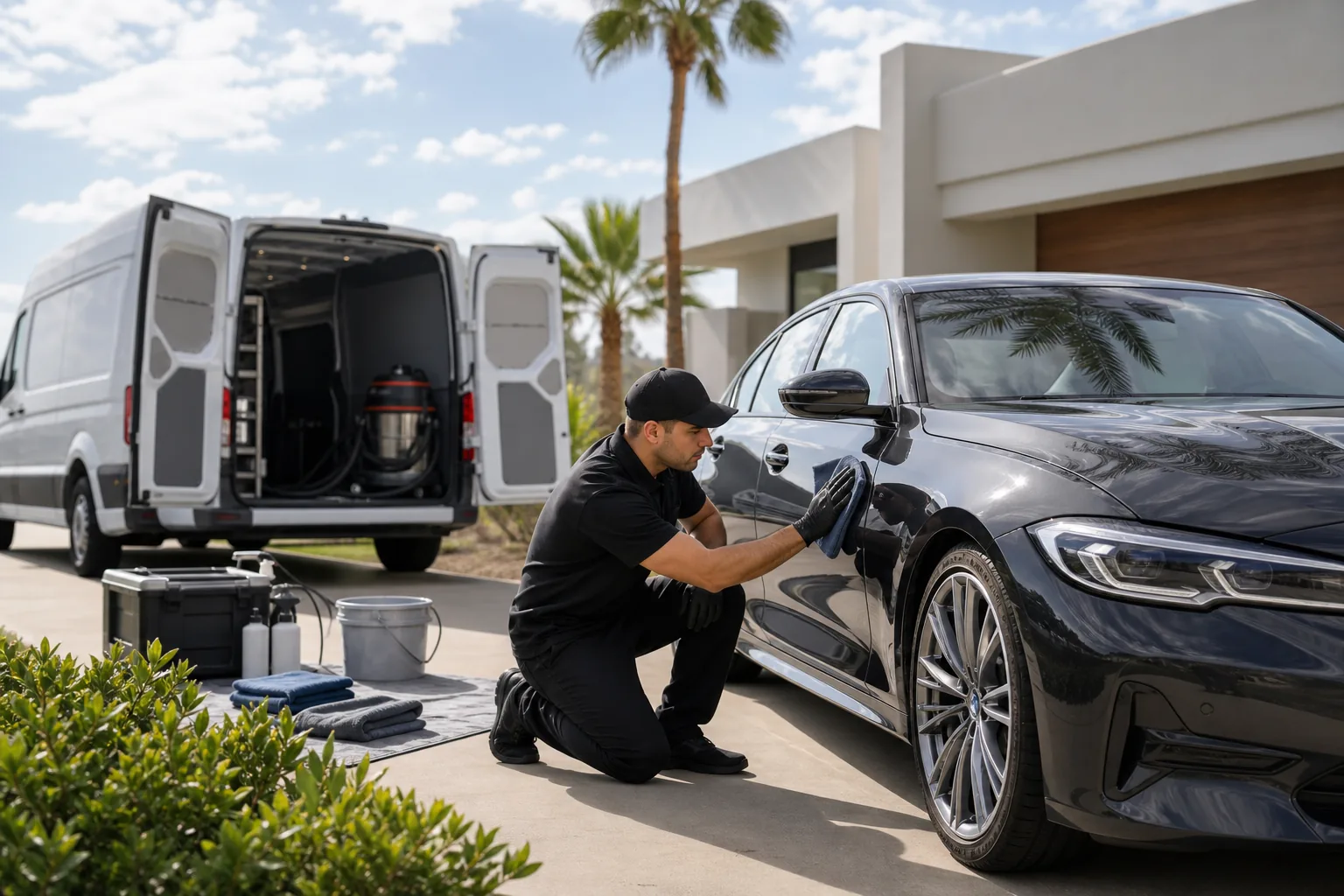
Water quality matters because dissolved minerals can remain when droplets dry. The mark may look like dirt, but it can need polishing or chemical treatment if it bakes into the finish. Filtered water helps limit that problem, especially during warm weather or when the car cannot be dried at once.
Ask the service provider how water is filtered and how paint towels are separated from wheel towels. Ask whether the service starts with a pre-rinse and whether the provider uses air to clear mirrors, badges, trim, and door jambs.
On-site service is convenient for office lots, homes, and vehicles that cannot sit at a shop. It can also be a good fit after pollen season or a long trip when the car needs more care than a tunnel provides.
Do not assume every on-site wash is coating‑safe. Confirm the soap type, drying plan, and any add‑on spray. A “ceramic” topper may add short‑term slickness, but it is different from the coating already bonded to the paint.
This option costs more than a basic wash, yet the saved time and better water control can make it worthwhile.
10. Express tunnel wash programs, fast routine cleaning
An express tunnel wash program is for drivers who need a fast routine wash and understand that the menu label does not tell the whole story.
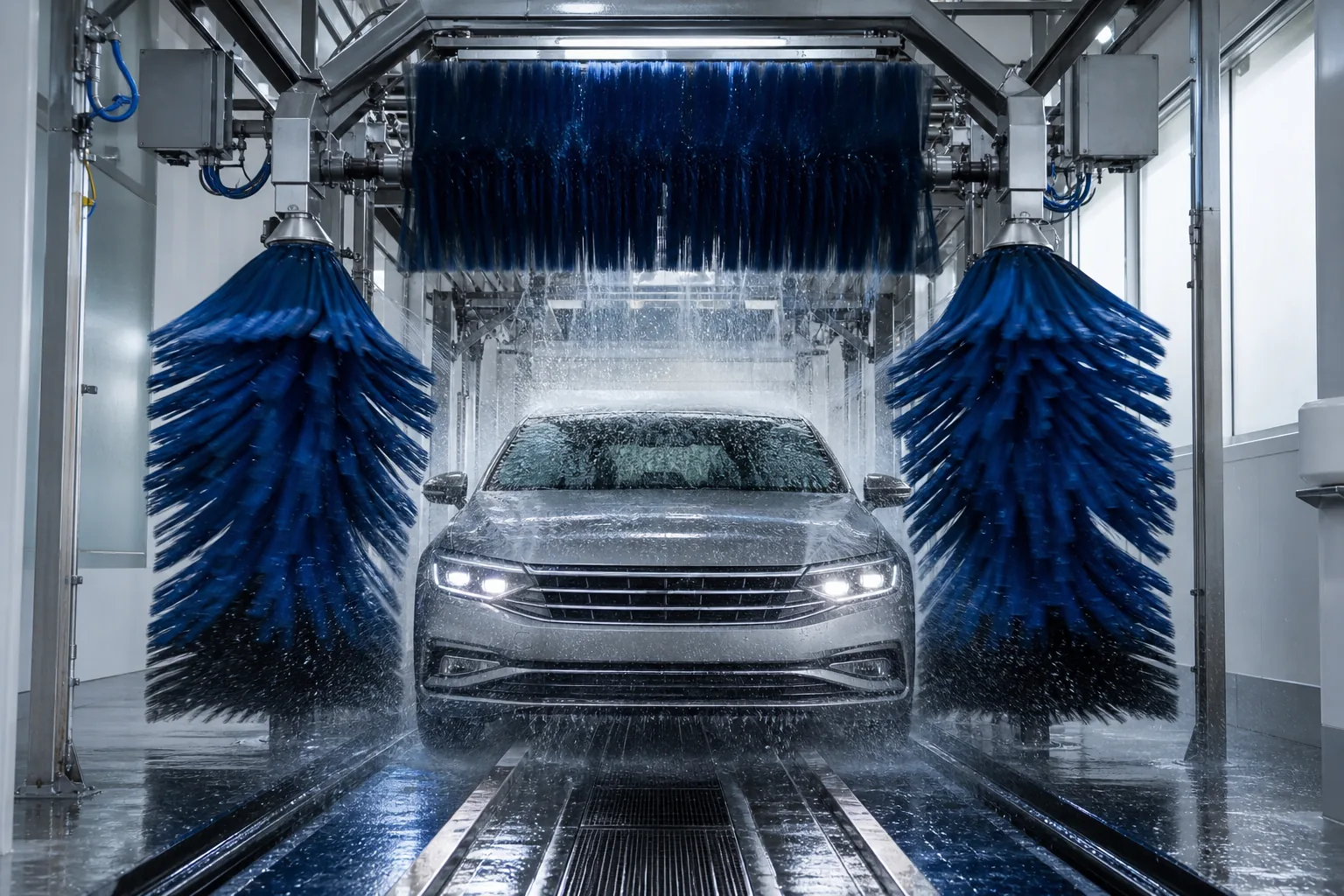
Look past the word “ceramic.” At many washes, the ceramic choice is a spray sealant applied near the end of the tunnel. It can add shine and water beading for a short period. It is not the same as a professionally installed coating.
For a coated car, choose the gentlest program that still removes the dirt. Avoid old‑style abrasive brushes. If the tunnel uses soft cloth or foam, look for a strong pre‑soak and rinse before contact. Ask whether the equipment is cleaned and whether the final water is filtered.
Express tunnels are most useful when you keep the car from becoming heavily soiled. Frequent light cleaning usually demands less force than an occasional wash that must remove weeks of grime.
The drying cycle deserves attention. Air dryers may leave water in mirrors and trim. After leaving, inspect the door jambs and lower edges. A clean towel can remove leftover droplets before they dry.
Use this option for speed. Use a more controlled wash or detail service when the paint condition matters more than the clock.
Car Wash Comparison: Touchless vs. Soft-Touch vs. Hand Wash
Touchless washing avoids brush contact. Hand washing lets the operator control tools and pressure. Check the coating instructions before choosing either method or a soft‑touch tunnel.
| Wash type | Best use | Contact risk | Main concern | Check before choosing |
|---|---|---|---|---|
| Touchless | Light dirt and quick upkeep | Lowest | Strong chemicals may be used | Coating instructions and wash chemicals |
| Soft-touch | Road film and moderate grime | Medium | Dirty media can cause marring | Coating instructions and equipment cleanliness |
| Hand wash | High-value paint and close inspection | Controlled | Poor towels or heavy pressure | Coating instructions, clean tools and drying process |
The safest choice depends on the dirt. A dusty car may clean well with touchless water. A grimy car may need careful contact after a full pre‑rinse. A fresh coating may need a curing period before any wash at all.
Remember that ceramic protection changes the maintenance task, not the laws of friction. Clean tools still matter. Drying still matters. A coating makes washing easier because dirt releases more readily, but it cannot rescue a dirty brush or rough towel.
Ask the facility which soaps, wash equipment and drying methods it uses. Compare those details with your coating instructions before booking the wash.
What to Look For in a Ceramic-Coating Car Wash
The best car wash with ceramic coating care has a clear process, not just a premium menu name.
- Safe soap: Look for pH‑neutral or coating‑safe wash soap.
- Pre‑wash action: Loose grit should come off before any mitt, cloth, or foam material touches paint.
- Clean tools: Wheels need separate tools from painted panels.
- Good drying: Filtered water, forced air, and clean microfiber towels help reduce spots.
- Clear product claims: A wash add‑on called ceramic is usually a temporary topper, not a multi‑year coating.
- Aftercare advice: Staff should be able to explain cure time and safe wash frequency.
Wash when contamination needs removing, using the products and timing specified for your coating. CARPRO's CQUARTZ maintenance instructions, for example, give separate directions for the initial curing period, regular washing and occasional decontamination. Follow the directions for the coating on your own car.
Check the coating by watching water behavior on a clean panel. Weak beading can mean contamination, product residue, or coating wear. If the paint looks hazy or the water stops moving as it did before, ask the installer to inspect it before reaching for an abrasive clay bar.
Frequently Asked Questions
Can I take a ceramic-coated car through a car wash?
Check the coating manufacturer's and installer's instructions before using a car wash. A touchless system avoids brush contact, while a soft‑touch system puts wash material against the paint. Both require compatible chemicals and proper maintenance. Follow the coating's curing instructions before its first wash.
What is the safest car wash for ceramic coating?
There is no single wash method that suits every coating and vehicle. Follow the coating's written aftercare directions, then check the wash chemicals, equipment and drying process. A careful hand wash gives the operator control over contact, but dirty tools or poor technique can still mark the finish.
Are automatic car washes bad for ceramic coating?
Automatic washes are not all the same, so the answer depends on the system and its upkeep. Touchless washes avoid brush contact. Soft‑touch washes can work when the media is clean and the vehicle gets a strong pre‑rinse. Repeated use of poorly maintained brushes or harsh detergents may reduce finish quality and coating performance.
How often should I wash a ceramic‑coated car?
A ceramic‑coated car should be washed whenever dirt, bugs, pollen, or road film builds up, rather than left dirty for long periods. Many maintenance routines use a wash every week or two, with the exact timing based on weather, parking, and road use. Remove bird droppings, sap, tar, and bugs promptly.
Does a ceramic car wash add a real ceramic coating?
A ceramic option at an express wash usually adds a temporary spray sealant, not a professional ceramic coating. It may improve gloss and water repellency for a short time. A true coating is prepared and applied to clean paint, then allowed to cure. Ask what the menu product is before paying for long‑term protection.
Can I wash a ceramic‑coated car at home?
Yes, washing at home can be excellent for ceramic‑coated paint when you use shade, a pre‑rinse, coating‑safe soap, clean microfiber tools, and light pressure. Work from top to bottom. Rinse the mitt often, keep wheels separate, and dry before water spots form. A leaf blower can clear water from trim and jambs.
Conclusion
Jeff's Car Wash has exterior and full-service wash options for Lexington drivers. Tell the team which coating is on your vehicle and confirm that the proposed wash follows its care instructions. Choose the service after checking those details, then keep up with the coating's recommended maintenance.