- Come Experience Jeff's Car Wash
- info@jeffscarwashlex.com
- Call: (859) 277-0160
- Open Monday-Saturday 8AM-5PM*
September 16, 2025
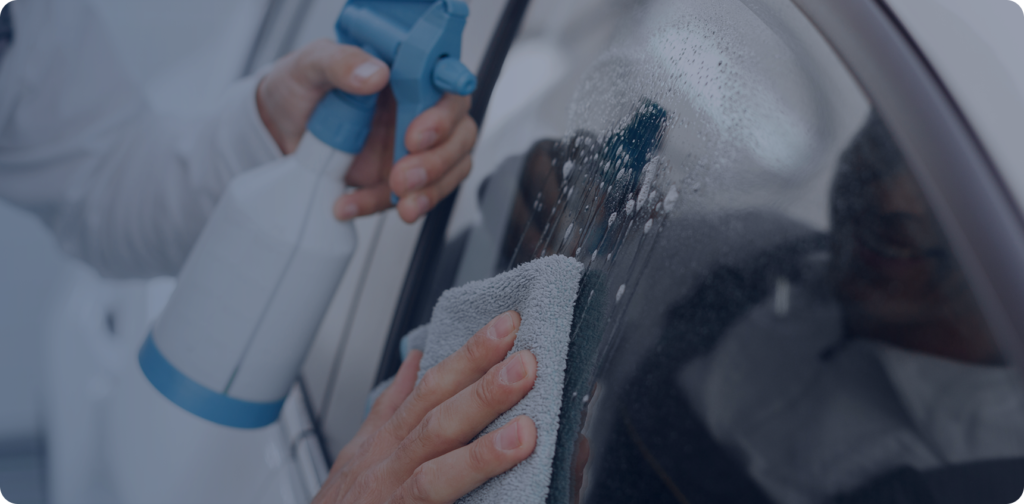
Some of you might have encountered these persistent black spots that suddenly appear on your vehicle. More than just an aesthetic nuisance, these tiny, tar-like specks can be incredibly difficult to remove and, if left untreated, can potentially impact your car’s finish. Unlike typical dirt or grime, these spots often resist a standard car wash, leaving many car owners frustrated. But what exactly are they, and how can you effectively tackle them?
When confronted with these mysterious black spots, many car owners first reach for a sponge and soap. However, as you may have discovered, a usual car wash cleanup often doesn’t suffice for these tenacious stains. Their unique composition requires a more targeted approach.
One of the most effective ways to remove these spots is through careful manual scrubbing or by using a specialized automotive clay bar. The clay bar method works by gently lifting contaminants from the paint surface without abrasive scrubbing. To use a clay bar effectively, ensure the car surface is clean and wet, then glide the lubricated clay bar over the affected areas. Always use a proper clay lubricant to prevent scratching, and knead the clay frequently to expose a fresh surface.
With that said, you need to be extremely careful when attempting to remove the spots yourself. Too much scrubbing, using the wrong products, or improper technique can easily damage the paint of your vehicle, leading to swirl marks or even etching. This is particularly true for older or less resilient paint finishes.
The primary reason these black spots are so stubborn lies in their origin. As we’ll explore, they are often fungal spores, which are designed by nature to adhere firmly to surfaces to ensure their survival and propagation. These spores possess a strong adhesive quality, making them resistant to the detergents and high-pressure water typically used in car washes. They essentially bond to your car’s clear coat, requiring a physical or chemical intervention to break that bond without harming the underlying paint.
For ease of mind and to ensure the integrity of your vehicle’s paint, it’s often better to have professional car cleaners remove these spots. Professionals have access to specialized tools, gentle yet effective cleaning agents, and the expertise to safely eliminate these contaminants without causing damage. They can accurately identify the type of spot and apply the most appropriate removal technique.
The mystery behind these black spots often leads to speculation, but the answer is surprisingly biological.
The spots are most commonly caused by a type of wood-decay fungus, scientifically known as Sphaerobolus stellatus, but more commonly known as artillery fungus or shotgun fungus. These fascinating fungi thrive in moist, decaying organic matter, particularly wood mulch. When conditions are right, they develop a cup-shaped fruiting body that, under pressure, can shoot its sticky, black spore masses up to 20 feet away. These spores are propelled with surprising force and accuracy, often landing on cars, houses, equipment, or anything that’s within its vicinity.
Once these tiny, tar-like spores land on your car, they adhere tenaciously to the paint surface. Their dark color and small size make them resemble specks of tar or industrial fallout, but their biological origin makes them uniquely challenging to remove.
While artillery fungus is a common culprit, it’s worth noting that other contaminants can also cause black spots on your car, such as road tar, industrial fallout (tiny metallic particles), or even tree sap. However, fungal spots typically appear as very small, perfectly round, raised black dots, often concentrated on the lower panels of the car or areas facing mulched landscapes. Tar spots tend to be more irregular in shape and size, while industrial fallout often feels gritty and can lead to rust spots if left untreated.
Removing the black spots can be a hassle and, not to mention, very time-consuming. It’s best to prevent such troubles for your convenience and to protect your vehicle’s finish.
Beyond the immediate aesthetic damage, leaving artillery fungus spots on your car for extended periods can lead to more serious issues. The adhesive nature of the spores means they can bond very strongly to your clear coat. Over time, especially with exposure to sunlight and heat, these spores can potentially etch into the paint, leaving permanent marks even after the physical spore is removed. This can diminish your car’s appearance and significantly reduce its resale value. Prompt removal is key to preserving your vehicle’s finish.
While prevention is ideal, and careful DIY methods can work for minor infestations, there are times when professional help is not just convenient but necessary. If the spots are widespread, have been on your car for a long time, or if you’re simply uncomfortable attempting removal yourself, a professional detailing service is your best option. They possess the expertise to assess the severity, choose the correct products, and apply techniques that will safely and effectively restore your car’s pristine condition without risking damage to your paintwork.
Don’t let stubborn black spots or any other tough vehicle stains diminish your car’s beauty. Our experienced cleaners are experts in safe and effective contaminant removal, ensuring your vehicle looks its best. While our car wash packages at Jeff’s Car Wash can give your ride an incredible shine, our equipment is unable to remove these spots fully.
For removal of these black spots, we recommend you visit our sister company Ultimate Auto Care KY located right next door to Jeff’s Car Wash at 2253 Nicholasville Road, Lexington, KY 40503 or call us at 859-710-6475 to learn more about our claybar detail or other detail services. At Ultimate Auto Care KY we also provide Ceramic Coatings, Window Tinting, Paint Correction, and more services that are a great addition to your wash at Jeff’s Car Wash.